Standards & Implementation Guidance
The driver app: consumer and fleet
A charging app is judged in the ten seconds before a session starts. Everything else — account management, history, support — is secondary to that moment working.
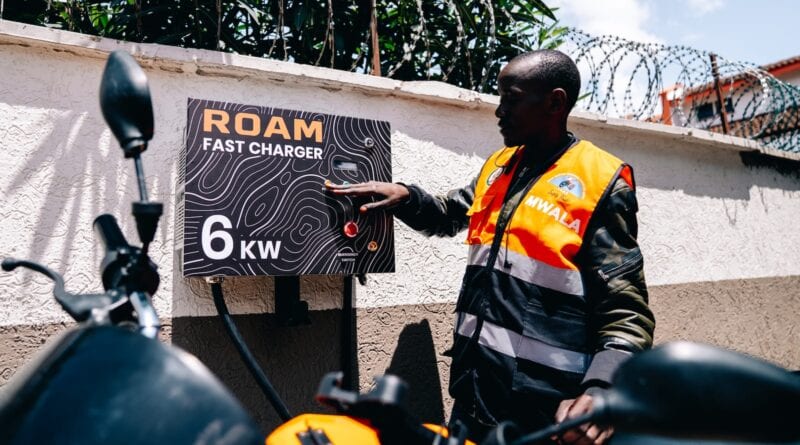
The moment that matters
A driver approaching a charger needs, in order: confirmation the connector is actually available (not just "online"), a way to start the session that works even on a weak signal, and immediate feedback that charging has begun. Apps that get this wrong don't fail loudly — drivers just quietly stop trusting the network and go elsewhere.
- Show live connector status, not charger status. A four-connector site with one broken plug should not read as "available."
- Support start-by-tap (NFC/RFID) as a fallback to app-based start. Do not make the app a single point of failure for authorization.
- Confirm session start with a state the driver can see without opening the app — a charger LED or beep, not just a push notification that may be delayed.
Consumer requirements
- Trip planning: route-aware charger search that accounts for real-world reliability, not just registered locations.
- Transparent pricing: the price shown before starting a session should be the price charged, including idle fees, displayed clearly rather than in fine print.
- Roaming clarity: when a session is via a roaming partner (OCPI), the app should be honest about which network operates the physical charger — drivers troubleshoot faster when they know who to call.
- Payment methods that match the market: mobile money and card, not card-only. This is not optional in most African markets.
Where fleet requirements diverge
Fleet operators are not consumers with more vehicles — they need different primitives entirely:
- Depot scheduling: queueing and reservation logic so vehicles charge in the sequence the depot needs them dispatched, not first-come-first-served.
- Cost allocation: sessions need to be attributable to a vehicle, driver, and cost center, with exportable data for fleet accounting — not just a personal receipt.
- Multi-driver access: a single vehicle may be driven by different people across shifts; authorization needs to follow the vehicle or the shift, not a single driver's account.
- Charge-to-target, not charge-to-full: fleet scheduling software often needs the app/API to support stopping at a target state of charge or time, to manage battery health and depot throughput.
- API-first: fleet customers will want to pull session and status data into their own dispatch or telematics systems. Treat the API as a product, not an afterthought to the app.
Accessibility and connectivity realities
Design for low-bandwidth conditions and older Android devices, which represent a large share of the installed base across target markets. A driver app that requires a large initial download or a persistent high-bandwidth connection to function will exclude exactly the users who most need reliable public charging.